

What Resilience really means at work
Build resilient people. Build resilient organisations.
Resilience is no longer a nice to have. It is a core capability for thriving in uncertainty, navigating complexity, and sustaining wellbeing. Our research shows that resilient individuals do not simply bounce back. They adapt, learn, and lead with clarity under pressure.
Resilience shapes how people think, decide, and recover when demands are high. It is not a fixed trait, but a set of emotional patterns and habits that influence judgement, collaboration, and energy. In fast changing workplaces, understanding these patterns is critical for protecting wellbeing and sustaining performance.
BeTalent Resilience offers a practical approach to understanding how individuals and teams respond to stress. It maps nine evidence based dimensions of emotional resilience and highlights patterns that emerge on both strong and difficult days. This creates a shared language for pressure, clearer insight into early burnout risks, and practical feedback that supports steady thinking, recovery, and effective decision making.
This page offers a compilation of our work on resilience: the science, the models, the tools, and the evidence of impact. Everything is grounded in rigorous research and designed to help organisations create environments where people can perform at their best.
The Neuroscience
of Resilience
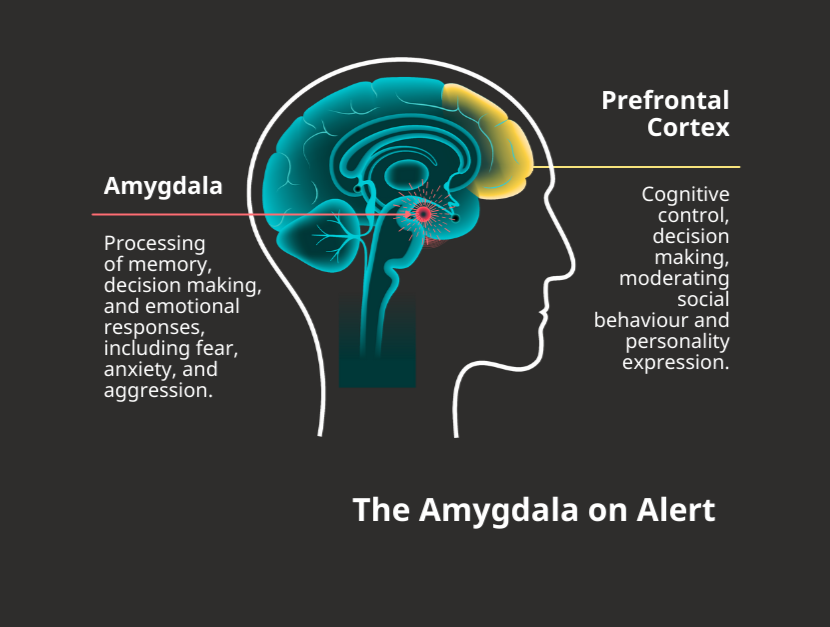
When cortisol remains elevated, the brain can shift into a heightened state of alert. The amygdala becomes more reactive, pulling attention toward potential threat, while the prefrontal cortex becomes less effective at supporting calm, balanced thinking. As a result, people may experience greater emotional reactivity, black and white thinking, and reduced perspective. Disrupted cortisol rhythms can also interfere with sleep, further lowering resilience. Practices that support nervous system regulation can help restore balance and improve adaptive capacity.
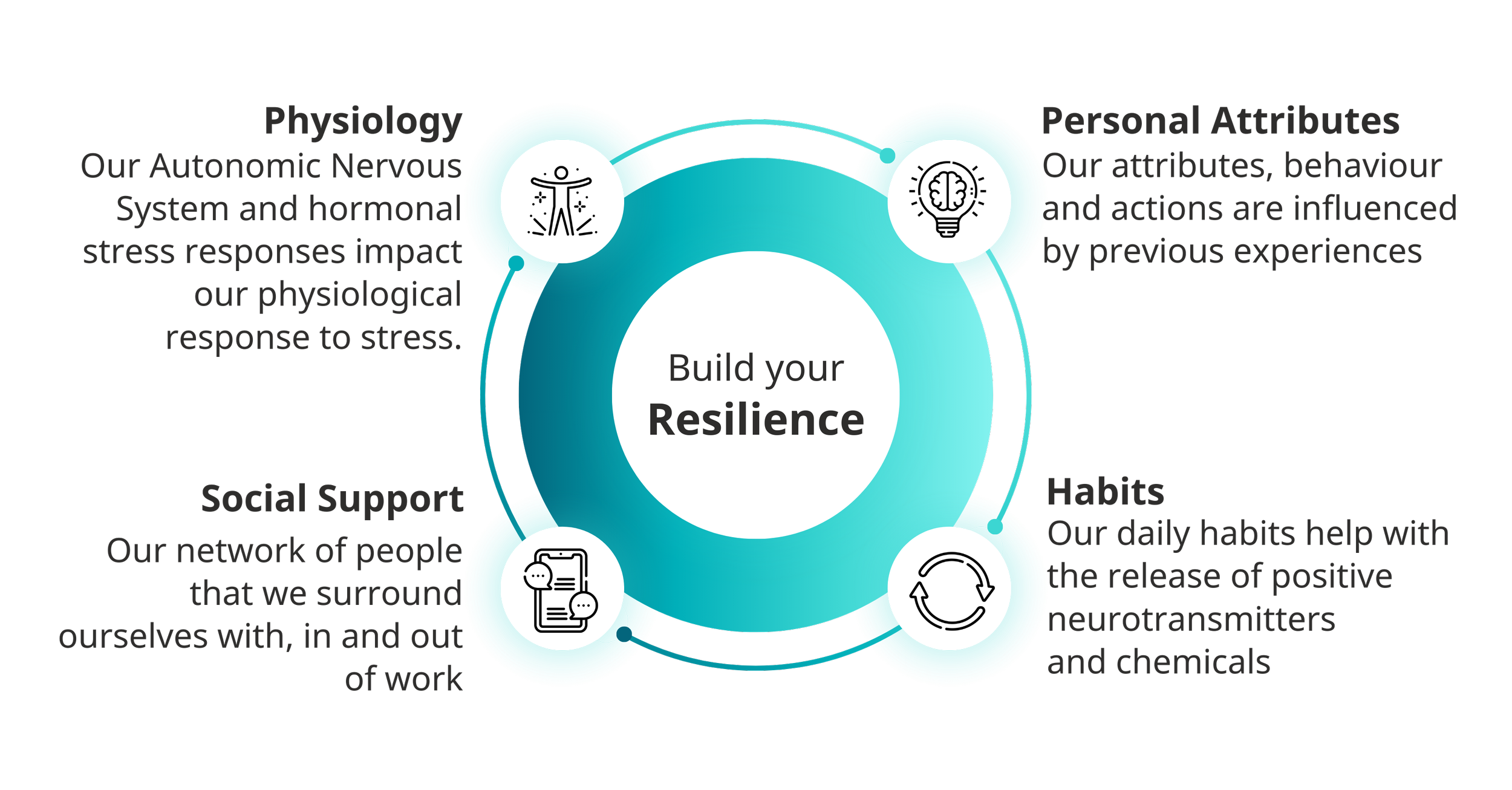
The 4 Pillars of Resilience
BeTalent Research
Everything we do is anchored in science.
According to our research, resilience is fuelled by four pillars that work together.
In our programmes, we touch all four, and the BeTalent Resilience Questionnaire focuses on personal attributes because they’re the part individuals can most actively develop.
This awareness brings understanding of what helps us thrive and what can trip us up. BeTalent Resilience then points you to practical shifts you can make (and sustain) to protect wellbeing and perform well under pressure.
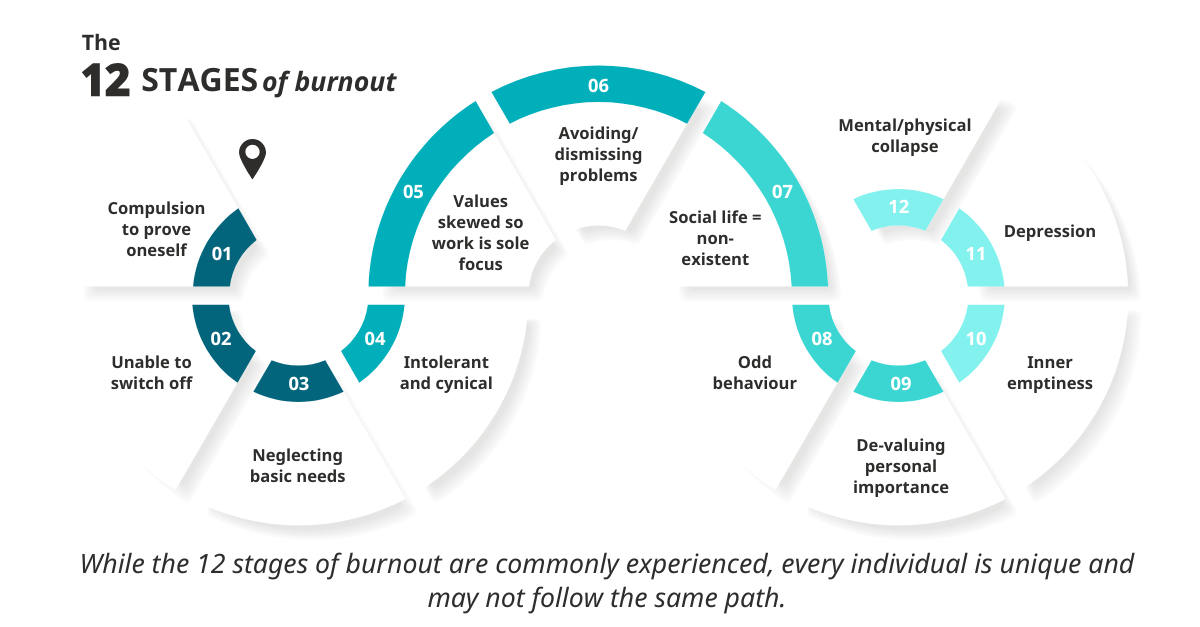
Herbert Freudenberger and Gail North’s 12-stage burnout model illustrates a common pattern: starting with a drive to prove yourself and difficulty switching off, then neglecting basic needs, withdrawing, becoming cynical, and if unaddressed, sliding towards exhaustion and depression.
People don’t always move step by step, but spotting these signs early helps you act sooner. The BeTalent Resilience Questionnaire supports this by revealing your personal resilience strengths and risks and giving practical strategies to manage pressure and recover before burnout takes hold.
The BeTalent Model
A validated metric of resilience in the workplace
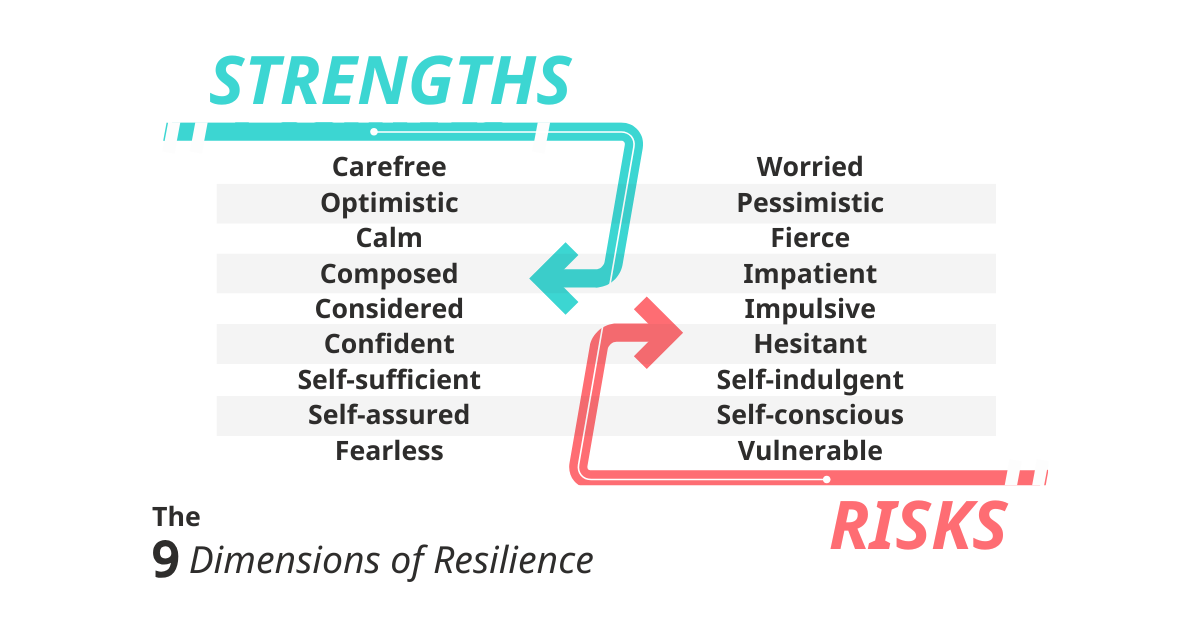
The BeTalent Model of Resilience brings together robust psychological research and real-world application to show how resilience actually operates day to day. Built to reflect the dynamic, learnable nature of resilience, the model captures nine core dimensions that influence how people think, feel and respond under pressure.
BeTalent’s nine resilience dimensions are represented as pairs of contrasting emotions (e.g., Worried–Carefree, Hesitant–Confident).
Our work-based Resilience questionnaire maps where someone tends to sit on each pair on good days (resilient strengths that help performance) and on tough days (resilience risks that can get in the way). Drawing on what we know about brain plasticity, the tool helps people turn these patterns into practical strategies so that they can reinforce helpful responses, spot early warning signs, and protect their wellbeing.
In fast-paced, high-intensity roles, gaps on any dimension can mean needs are ignored, strengths are overused, or judgement becomes less effective. BeTalent Resilience helps individuals and teams use their strengths more deliberately and reduce the chances of stress and burnout.

Our CEO’s podcast takes a research-led, scientific look at how people, teams and organisations can use and understand psychology to be happier, healthier, more productive and more engaged.
Discover thought leadership on resilience and subscribe to get the latest insights.
Download a sample report
BeTalent Resilience provides a structured and practical way to see how individuals and teams respond under strain. It maps nine evidence based dimensions of emotional resilience and highlights the responses that are most likely to appear on both strong days and difficult ones. This gives people a grounded view of where confidence, focus and recovery are supported and where the risks to clarity or balance might sit.
“The BeTalent Resilience session was brilliant, gave me some space for reflection about some of my behaviours particularly when I feel stressed and I loved that you shared strategies I can use to help in those moments. I’ve recommended the session to some of my peers. Thanks again, it was really well delivered.”
Our Work with Resilience
Learn how other organisations have benefited from BeTalent Resilience. Here are just a select few case studies showcasing our work.

Turning Strengths and Resilience into Strategic Impact
Through a powerful blend of strengths-based coaching, resilience training and decision-making diagnostics, AtkinsRéalis partnered with BeTalent by Zircon to elevate the performance and cohesion of its executive leadership team.
Leadership Blueprint for a Seasonal, High-Scale Business
With BeTalent by Zircon, Haven transformed leadership development into a scalable, data-powered programme that empowers managers across 39 locations to lead vibrant, self-contained communities across the UK.
Building Resilient Leaders Through the Uncertainty of a Major Acquisition
Coventry Building Society worked with BeTalent to equip leaders with practical resilience tools, shared language, and renewed clarity to navigate intense organisational change.Thought Leadership Library
At BeTalent by Zircon, we’ve been researching resilience for years. Below is a compilation of our published research, thought leadership and additional resources to further your learning.
-
![A group of people of mixed ages, genders and ethnicities sit round a meeting table having a discussion. The image represents a cognitively diverse group of people and the links between resilient leadership, psychological safety and wellbeing]()
The links between resilient leadership, psychological safety and wellbeing
Amanda Potter, Emily Willis & Jessica Nelkin
Resilient leaders positively impact their work environment and contribute to a feeling of psychological safety. In this environment, employees are more likely to experience and demonstrate high levels of wellbeing and less likely to demonstrate poor emotional health. We propose that organisations that prioritise wellbeing should also prioritise leadership resilience and psychological safety.
-
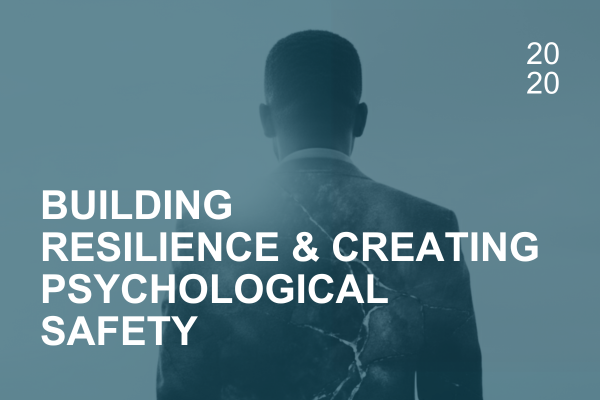
![A man faces into the sunrise, his back towards us. There is abstract detail mimicking kintsugi pottery over his back. The text reads Building Resilience & creating psyhcological safety]()
Building Resilience & Creating Psychological Safety
BeTalent by Zircon whitepaper
Many organisations are seeking ways to support wellbeing and prevent burnout as work becomes more demanding and complex. This whitepaper explores resilience as a dynamic capability shaped by individual characteristics, social support, and workplace environments. Drawing on large-scale research and practitioner insight, it examines the factors that enhance or inhibit resilience, the prevalence of burnout, and the role of psychological safety in enabling healthier, more sustainable performance under pressure.
-
![]()
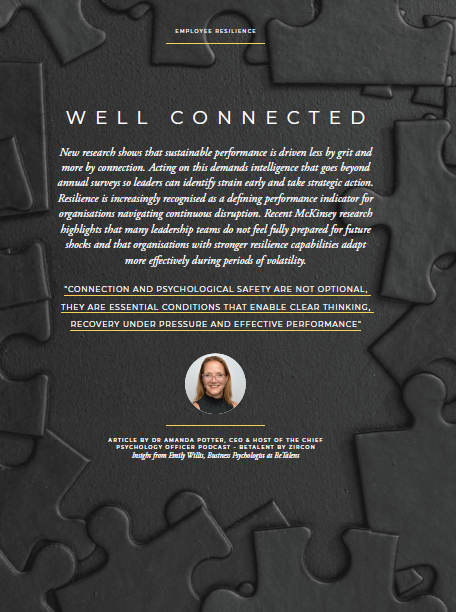
Well Connected
Dr Amanda Potter & Emily Willis
New research shows that sustainable performance is driven less by grit and more by connection. Acting on this demands intelligence that goes beyond annual surveys so leaders can identify strain early and take strategic action. Resilience is increasingly recognised as a defining performance indicator for organisations navigating continuous disruption. Many leadership teams do not feel fully prepared for future shocks and organisations with stronger resilience capabilities adapt more effectively during periods of volatility.
-
![]()
The impact of a strengths-based approach on employee resilience, drive and innovation
Amanda Potter & Monika Mark
Strengths play a critical role in shaping performance and resilience at work. Our research found a significant relationship between individual strengths and how people are perceived as resilient, driven, and innovative. When teams bring together diverse strengths and ways of thinking, they are more likely to sustain performance under pressure and drive innovation.
-
![A woman stands presenting to a group of people some are dialing in via teams the others are sitting around a table. The image represents the challenges of working Hybrid]()
Hybrid working: At what cost?
Dr Amanda Potter and Jessica Ross
Covid changed how we work, with many organisations now adopting a hybrid approach. The impact this has on psychological safety is thus far unknown, with much of the research on psychological safety being conducted on MS Teams. We were therefore interested to determine if there is a difference in levels of psychological safety depending on work location (office, hybrid or remote). This article discusses our findings. -
![]()
The impact of negative emotions and resilience on decision making and procrastination
Amanda Potter & Emily Willis
Research suggests that negative emotions play a key role in procrastination. Using the BeTalent Resilience and Decision Styles Questionnaires, we found that individuals who experience higher levels of negative emotion are more likely to question their decisions and demonstrate an external locus of control, both of which are associated with procrastination. This article explores the psychological mechanisms behind procrastination and why emotional regulation and decision confidence are critical for sustained performance.
-
![]()
Learning how to bounce back: Do age and experience impact resilience?
Amanda Potter & Jessica Nelkin
When faced with adversity, how do we cope and adapt? Why do some people appear to bounce back faster than others? Resilience refers to our ability to withstand, recover, and grow in the face of stress and challenge. This article explores how resilience differs across age groups and organisational levels, and why developing the skills to cope effectively with disruption, failure, and setbacks is critical for sustaining performance and wellbeing.
-
![]()
Home Truths
Dr Amanda Potter and Jessica Nelkin
Gauging impacts and influences caused by such lived historic events as the pandemic, are complex. But in the world of work, an employee experience framework can measure the psychological shifts within the workforce and provide insights for businesses to strategically leverage. Solutions require more than intuition, what is needed is a scientific approach, with psychometric and profiling tool capability, that can explore levels of resilience and psychological safety, in order to understand motivators at individual and team levels.
-
![]()
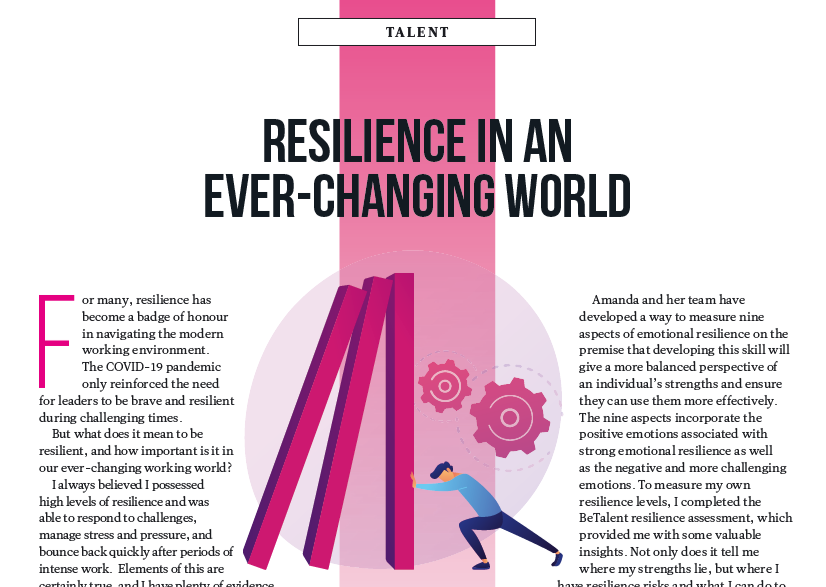
Resilience in an ever-changing world
Amanda Potter & Tom Emery
For many, resilience has become a defining capability in the modern working environment. The COVID-19 pandemic reinforced the need for leaders to respond effectively to sustained pressure and uncertainty. But what does it truly mean to be resilient, and how important is it in an ever-changing world of work? This article reflects on resilience in leadership, exploring how it is built over time and why experience, self-awareness, and adaptive coping are critical for sustaining performance under pressure.





Click here to subscribe to Leading with Perspective, our LinkedIn Newsletter
-
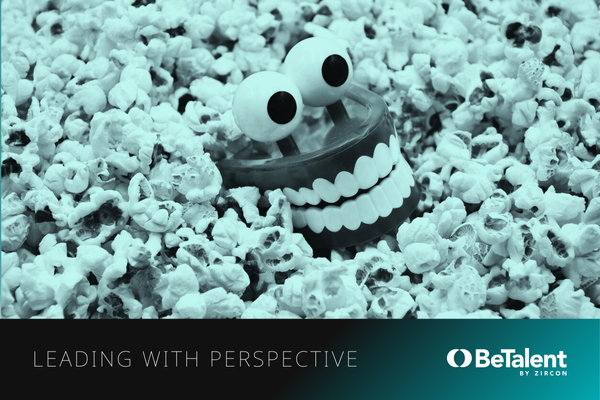
The neuroscience of popcorn brain & how it impacts your resilience.
By Kashayá Stewart and Jessica Ross
Constant exposure to short-form digital content is reshaping attention, brain function, and resilience. This article explores how social media platforms activate the brain’s reward systems, shorten attention spans, and increase cognitive fatigue through frequent task switching. Drawing on neuroscience and behavioural research, it examines how these patterns can erode emotional regulation and resilience over time, and outlines practical, evidence-based strategies to restore focus, wellbeing, and adaptive capacity in a digitally saturated world.
-
Building Collective Resilience: How brains under pressure can thrive
By Kristian Lees Bell
Under sustained pressure, resilience cannot sit solely with individuals. This article explores how collective resilience is shaped by the everyday design of work, including clarity, control, support, and psychological safety. Drawing on neuroscience, organisational research, and applied practice, it shows how pressure affects thinking, decision making, and risk taking, and why building the right conditions enables teams to perform, adapt, and recover without burning out.
-
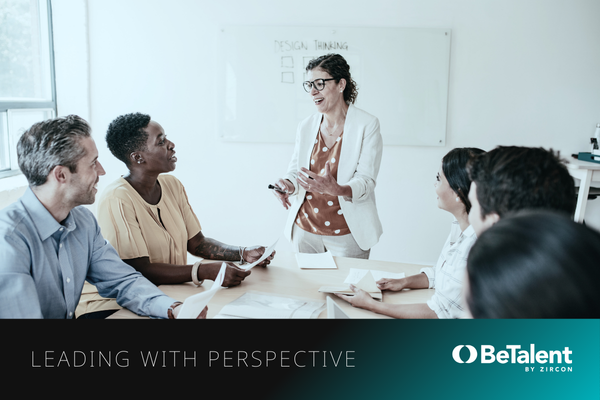
Leading with Compassion
By Kristian Lees Bell
Neuroscience offers practical insight into how leaders can reduce stress and support wellbeing at work. This article explores how stress affects brain function, decision making, and emotional regulation, and how leadership behaviours such as compassion, psychological safety, and empathy can actively counteract these effects. Drawing on neuroscience research and applied leadership practice, it outlines evidence-based strategies that help teams feel safer, think more clearly, and perform more effectively under pressure.
Share Resilience Resource Pack
Download our research, publications and case studies, all in one handy pack, ready to share with colleagues and stakeholders.
Wondering how to deploy Resilience in your team?
Get in touch to discuss your specific challenges and opportunities, and we’ll put our best minds on the case.