

Psychological Safety.
The Foundation of High-Performing Teams
Why feeling safe to speak up, take risks, and be authentic at work is critical to performance, wellbeing, and inclusion
Psychological safety describes a climate where people feel able to contribute fully without fear of embarrassment, exclusion, or punishment. It underpins learning, innovation, trust, and sustainable performance, particularly in complex and fast-changing organisations.
This page brings together research, evidence, and real-world application to help organisations understand what psychological safety is, why it matters, and how it can be strengthened intentionally.
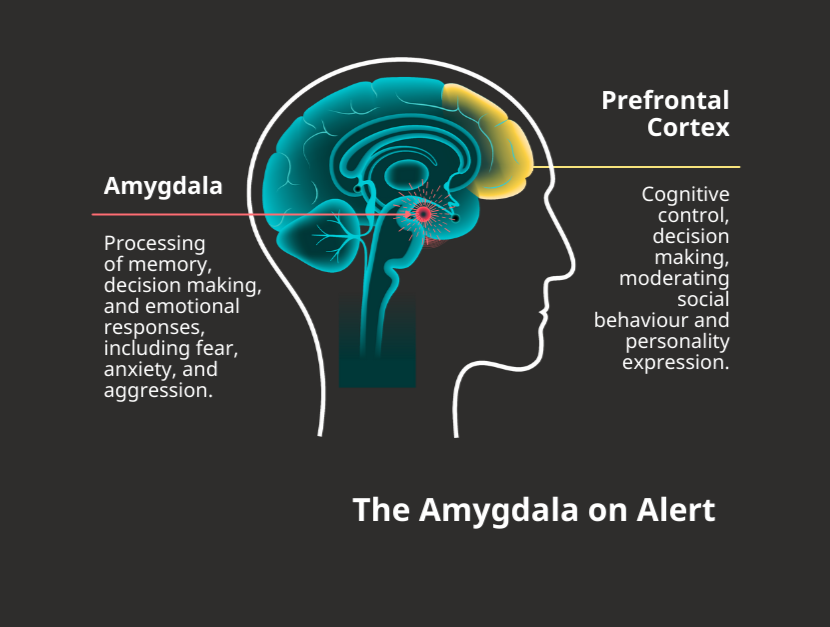
The human brain has evolved to thrive in environments that feel secure. That climate can be disrupted when fear of failure and exclusion are prevalent.
Trust, belonging, and relational stability strongly influence psychological safety. When trust is low, people begin to question others’ intentions, increasing sensitivity to interpersonal threat. This activates the amygdala, the brain’s threat detection system, and shifts the brain toward self-protection.
Heightened amygdala activity reduces the effectiveness of the prefrontal cortex, making it harder to regulate emotions, think clearly, and learn. Over time, sustained threat responses erode trust, increase emotional fatigue, weaken resilience, and can contribute to burnout.
A climate of psychological safety supports prefrontal functioning, enabling clearer thinking, recovery under pressure, and sustained performance. When interpersonal trust is present, people are more receptive to feedback and more willing to admit mistakes without fear of embarrassment.
Why psychological safety matters for performance
BeTalent Research
Everything we do is anchored in science.
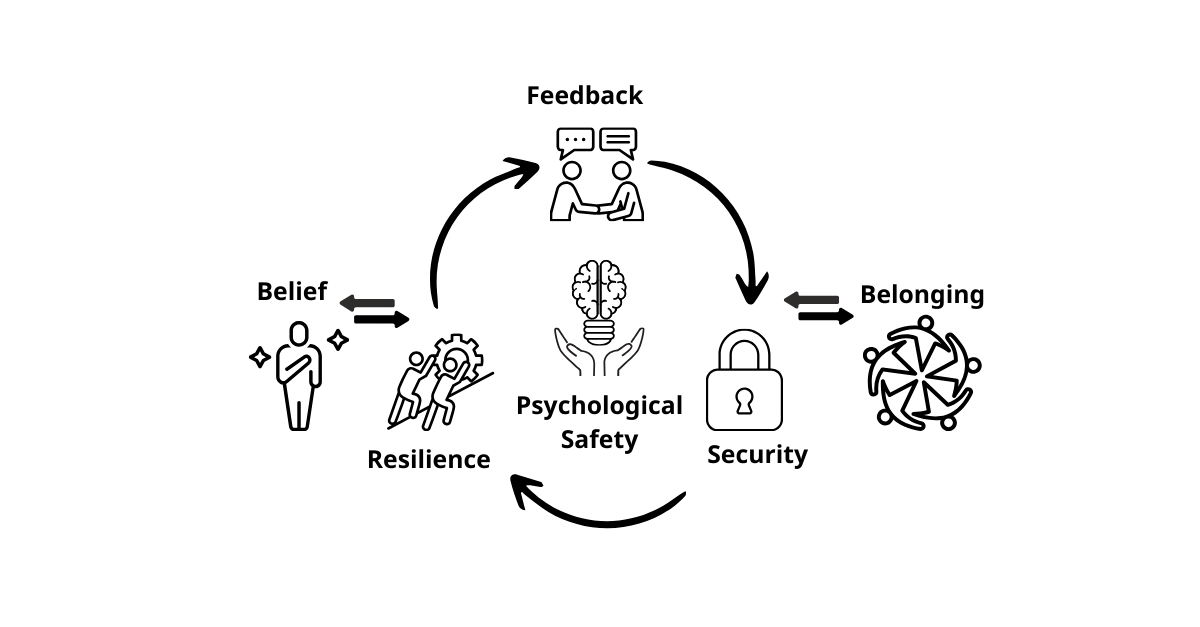
Psychological safety is sustained through a reinforcing system of self-belief, belonging, security, and resilience.
Our research with Professor Adrian Furnham shows that leaders who demonstrate stability, consistency, and emotional regulation strengthen this system by reducing perceived threat and building trust. In psychologically safe environments, this relational security supports self-belief, resilience, and openness, enabling teams to learn, adapt, and perform effectively.
Psychological safety shapes how motivation translates into performance.
When psychological safety is high, motivation fuels learning, accountability, and high performance. When psychological safety is low, the same motivation can create anxiety, while low motivation can lead to apathy and reduced ownership. Sustainable performance emerges when people feel safe to challenge themselves, learn, and take responsibility for outcomes.
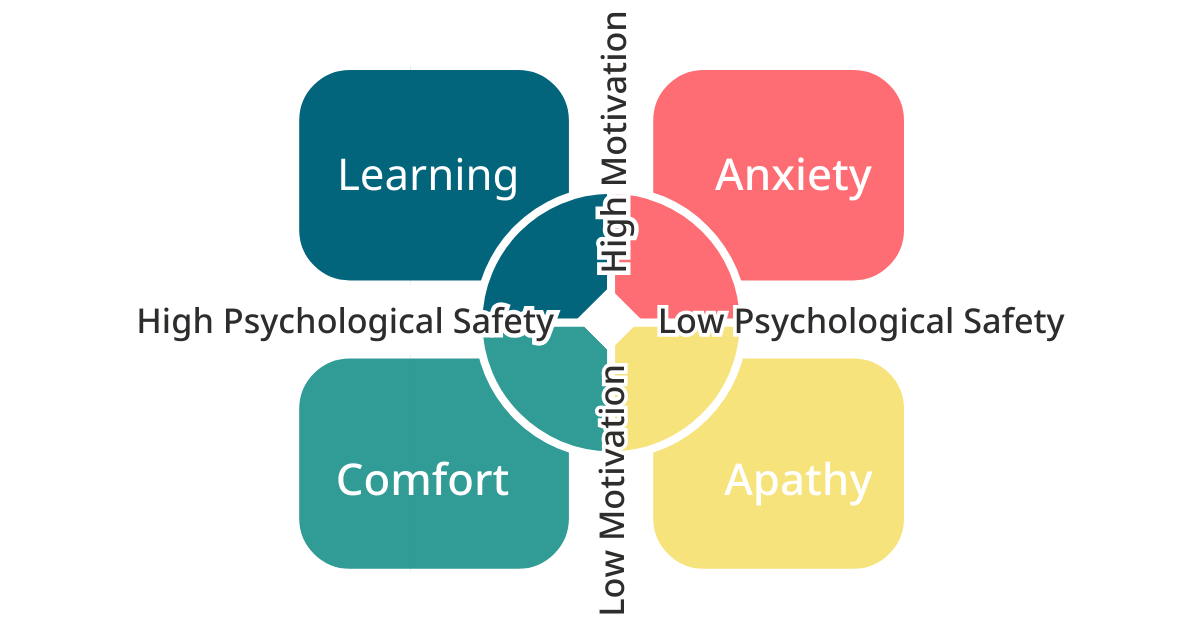
Source: Amy Edmondson
Some things about psychological safety might surprise you
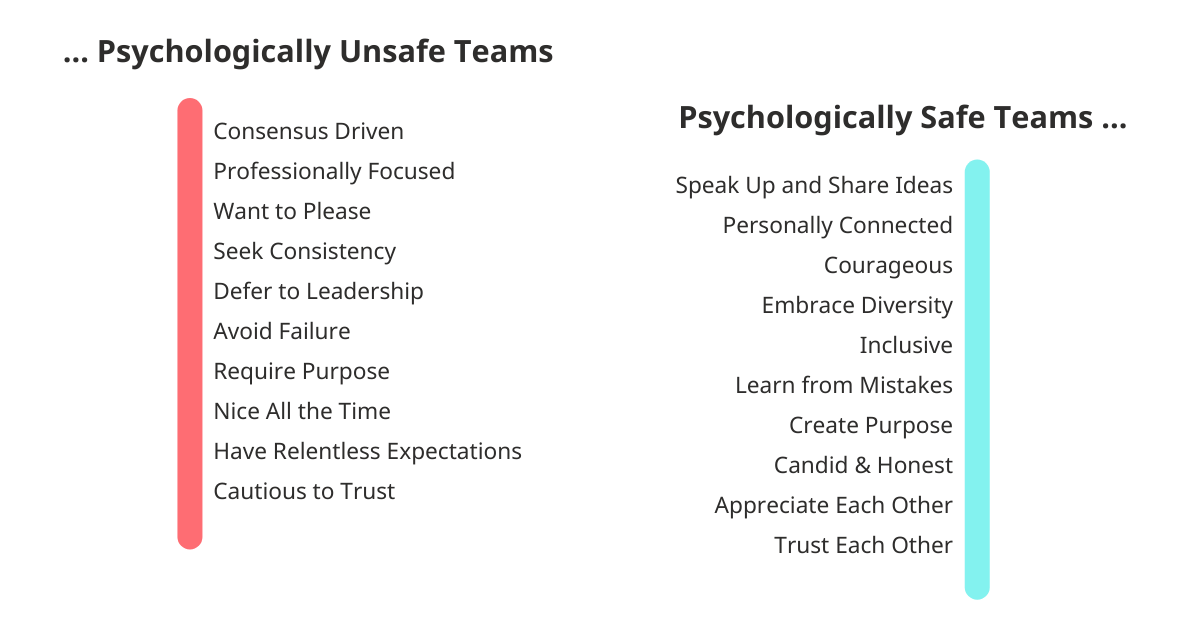
It’s not about being nice all the time.
Teams that appear polite, aligned, and agreeable can still be psychologically unsafe if people avoid challenge, defer to leadership, or fear failure. In contrast, psychologically safe teams are not afraid of debate and disagreement. This is accompanied by openness, courage, trust and a willingness to learn from mistakes. Safety shows up not in how harmonious a team looks, but in how willing people are to speak up, disagree, and learn together.
A research-led, scientific look at how people, teams and organisations can use and understand psychology to be happier, healthier, more productive and more engaged.
Discover thought leadership on psychological safety and subscribe to get the latest insights.
“The benefit we’ve seen is that we’re actively shaping a workplace culture that will attract and retain the best talent. So it’s positioning us to thrive in the long term.”
Download a sample report
The BeTalent Psychological Safety tool gives organisations a clear, evidence-based picture of how safe people feel to speak up, challenge, make mistakes, and be themselves at work. It turns the invisible dynamics of team culture into tangible data you can act on.
Psychological safety is linked to stronger collaboration, better decision-making, and increased innovation. It also underpins employee wellbeing, engagement, and retention.
But psychological safety doesn’t happen by accident. It needs to be understood, measured, and actively nurtured.
Our Work with Psychological Safety
Learn how other organisations have benefited from BeTalent Psychological Safety. Here are just a select few case studies showcasing our work.

Turning Psychological Safety into Santander’s Competitive Edge
With BeTalent by Zircon’s expertise, Santander transformed psychological safety from theory into everyday practice, empowering leaders, strengthening inclusion, and elevating customer experience across the business.
Unlocking Performance with the Power of Psychological Safety
BeTalent by Zircon helped Network Rail’s RICoE ignite a 62% surge in engagement by building a culture of trust, confidence, and strengths-driven leadership.
Turning Pressure into Performance at the Environment Agency
Under intense public and government scrutiny, the Environment Agency enlisted BeTalent’s help to cut complexity, supercharge collaboration, and deliver faster, safer flood defence solutions.Thought Leadership Library
At BeTalent by Zircon, we’ve been researching psychological safety for years. Below is a compilation of our published research, thought leadership and additional resources to further your learning.
-
![A man and a woman are engaged in a thought provoking conversation. This image has been selected to represent research on Psychological Safety. Assessing Psychological Safety: Correlates of a New Scale]()
Assessing Psychological Safety: Correlates of a New Scale
Adrian Furnham, George Horne, Jessica Ross, Amanda Potter
This paper reports empirical research conducted with Professor Adrian Furnham examining the relationship between Psychological Safety, leadership characteristics, and employee wellbeing. Using validated Psychological Safety and resilience measures, the study explores how leadership stability, emotional regulation, and relational factors relate to people’s experience of safety at work.
-
![]()
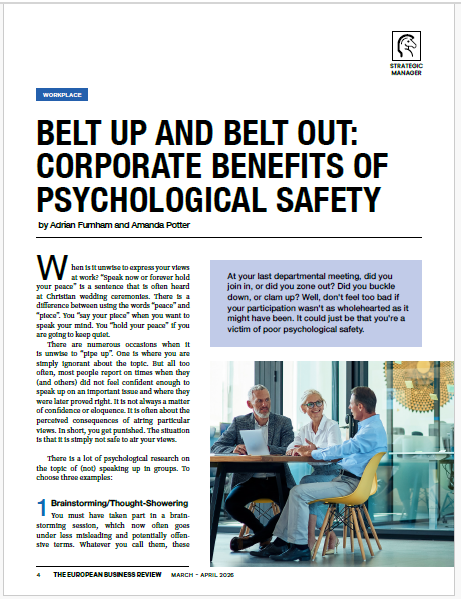
Belt Up and Belt Out: Corporate Benefits of Psychological Safety
Amanda Potter and Adrian Furnham
When people don’t feel safe to speak up, organisations don’t just lose voices, they lose insight, innovation, and performance. This article from The European Business Review reveals the hidden dynamics behind silence at work, from groupthink to “pluralistic ignorance”, and shows why psychological safety isn’t a ‘nice to have’ but a proven driver of better decisions, stronger teams, and commercial success.
-
![]()
What Contributes to a Psychologically Safe Environment
BeTalent by Zircon Whitepaper
Many leaders are looking for ways to strengthen unity, stability, and cohesion as teams navigate the pressures of modern working life. This whitepaper explores how everyday working climates influence performance, wellbeing, and belonging. It outlines the development of the Psychological Safety Questionnaire, which assesses individual experiences across ten key aspects of psychological safety. The insights support leaders and teams in understanding how collective behaviours shape trust, engagement, and more resilient working environments.
-
![A young woman confidently sits with a diverse group of colleagues. She is sharing her work. The article the image sits with is about Understanding the relationship between personal strengths and psychological safety]()
Understanding the relationship between personal strengths and psychological safety
Amanda Potter & Jessica Ross
After working on several client projects that explored levels of psychological safety and the benefit of playing to our strengths, it was hypothesised that there could be a link between psychologically safe environments and whether individuals were empowered and enabled to leverage their strengths. Our analysis determined that there is a relationship between the concepts and the implications of this are discussed.
-
![A man faces into the sunrise, his back towards us. There is abstract detail mimicking kintsugi pottery over his back. The text reads Building Resilience & creating psyhcological safety]()
Building Resilience & Creating Psychological Safety
BeTalent by Zircon whitepaper
Many organisations are seeking ways to support wellbeing and prevent burnout as work becomes more demanding and complex. This whitepaper explores resilience as a dynamic capability shaped by individual characteristics, social support, and workplace environments. Drawing on large-scale research and practitioner insight, it examines the factors that enhance or inhibit resilience, the prevalence of burnout, and the role of psychological safety in enabling healthier, more sustainable performance under pressure.
-
![A group of people of mixed ages, genders and ethnicities sit round a meeting table having a discussion. The image represents a cognitively diverse group of people and the links between resilient leadership, psychological safety and wellbeing]()
The links between resilient leadership, psychological safety and wellbeing
Amanda Potter, Emily Willis & Jessica Nelkin
Resilient leaders positively impact their work environment and contribute to a feeling of psychological safety. In this environment, employees are more likely to experience and demonstrate high levels of wellbeing and less likely to demonstrate poor emotional health. We propose that organisations that prioritise wellbeing should also prioritise leadership resilience and psychological safety.
-
![A woman stands presenting to a group of people some are dialing in via teams the others are sitting around a table. The image represents the challenges of working Hybrid]()
Hybrid working: At what cost?
Dr Amanda Potter and Jessica Ross
Covid changed how we work, with many organisations now adopting a hybrid approach. The impact this has on psychological safety is thus far unknown, with much of the research on psychological safety being conducted on MS Teams. We were therefore interested to determine if there is a difference in levels of psychological safety depending on work location (office, hybrid or remote). This article discusses our findings. -
![]()
Behavioural Diagnostics
The Environment Agency publication.
When the Environment Agency embarked on an ambitious and vital 6 year flood risk management programme they did so under the mandate they would work with external and internal organisations as if they were one team. Tackling nature and climate emergencies across the UK required everyone involved to work collaboratively and trust on a scale they had never seen. Partnering with BeTalent by Zircon Psychologists they worked to strengthen trust by developing a climate of psychological safety. Their work together was an award winning accomplishment.
-
![]()
Home Truths
Dr Amanda Potter and Jessica Nelkin
Gauging impacts and influences caused by such lived historic events as the pandemic, are complex. But in the world of work, an employee experience framework can measure the psychological shifts within the workforce and provide insights for businesses to strategically leverage. Solutions require more than intuition, what is needed is a scientific approach, with psychometric and profiling tool capability, that can explore levels of resilience and psychological safety, in order to understand motivators at individual and team levels.



Click here to subscribe to Leading with Perspective, our LinkedIn Newsletter
-
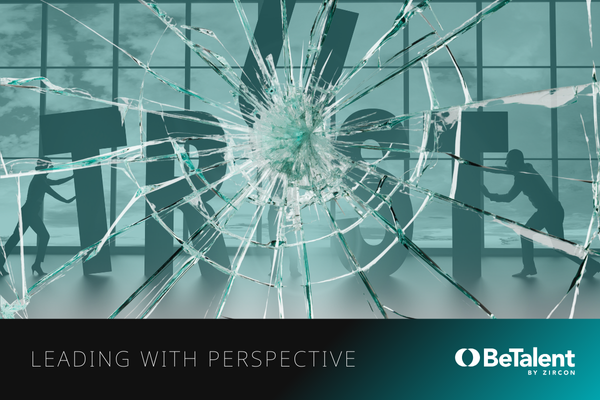
When Psychological Safety Goes Too Far
Psychological safety is vital for learning and inclusion, but what happens when it’s misunderstood? This article explores how a concept designed to build trust can be weaponised to excuse blunt behaviour, avoid accountability, and silence others, and why psychological safety only works when balanced with empathy, respect, and clear expectations. -
How Psychological Safety Fuels a Thriving Feedback Culture
Why does feedback so often trigger defensiveness instead of growth? This article explores the neuroscience behind feedback, showing how psychological safety helps feedback land, be used, and drive performance. Drawing on research and real-world examples, it reveals why trust, leadership behaviour, and safety are essential for honest, high-impact feedback cultures. -

Cognitive Diversity and Psychological Safety Lessons from Space
What can the Columbia space shuttle disaster teach organisations today? This article examines how a lack of psychological safety and cognitive diversity silenced critical voices at NASA, with devastating consequences. It shows why encouraging dissent, valuing different perspectives, and challenging groupthink are essential for sound decision-making and risk management.
Wondering how to deploy Psychological Safety in your team?
Get in touch to discuss your specific challenges and opportunities, and we’ll put our best minds on the case.
Discover our resource pack to share with colleagues and start conversations.
Our research, publications and case studies, all in one handy pack.